



Digital tracking explained
Wi-Fi and Bluetooth tracking in stores
A historical retail case and current phone permissions show how nearby-device signals can matter.
Sources checked .
A documented retail-tracking case
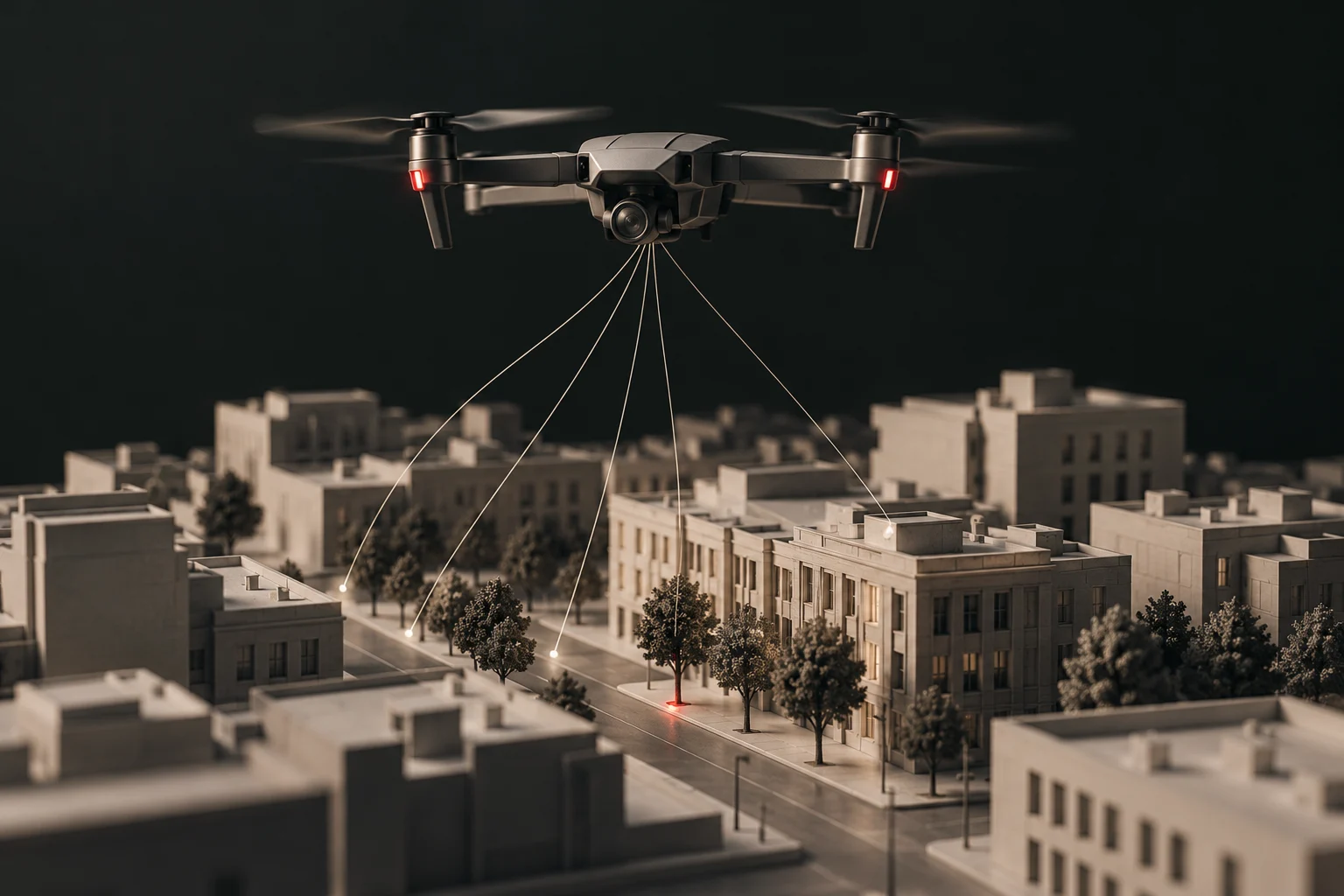
The FTC's Nomi case concerned technology used to track movements through stores and promises about notice and opt-out choices. It is historical evidence of a retail-tracking business model, not a claim that a particular store uses that system today. FTC: Nomi retail-tracking case
Bluetooth can be used for location-related features
Apple explains that an app's Bluetooth uses can include finding nearby devices and refining location. Android's developer documentation distinguishes Bluetooth scans used to derive physical location from scans that do not. A permission request therefore deserves context; it does not by itself prove sale of information. Apple: Bluetooth privacy controls · Android: Bluetooth and location permissions
Ask what is collected and how to opt out
The Nomi enforcement action focused on choices that were promised but unavailable. When reviewing a store's notice, look for the actual mechanism, its coverage and the company operating it. Keep a copy of the notice if you need to follow up. FTC: Nomi retail-tracking case
Questions and answers
Does Bluetooth always mean tracking?
No. Apple also describes legitimate audio and nearby-device uses. The purpose depends on the app and function. Apple: Bluetooth privacy controls
Does this page identify tracked stores in Kentucky?
No. The historical case and platform documentation do not establish a current deployment at a named Kentucky store.
Sources and scope
- Android: Bluetooth and location permissions. Checked 10-23-2026.
- Apple: Bluetooth privacy controls. Checked 10-23-2026.
- FTC: Nomi retail-tracking case. Checked 10-23-2026.