



Digital tracking explained
What connected cars can report
Connected services can handle location and driving behavior. The GM case shows why enrollment and sharing choices matter.
Sources checked .
A case about vehicle data
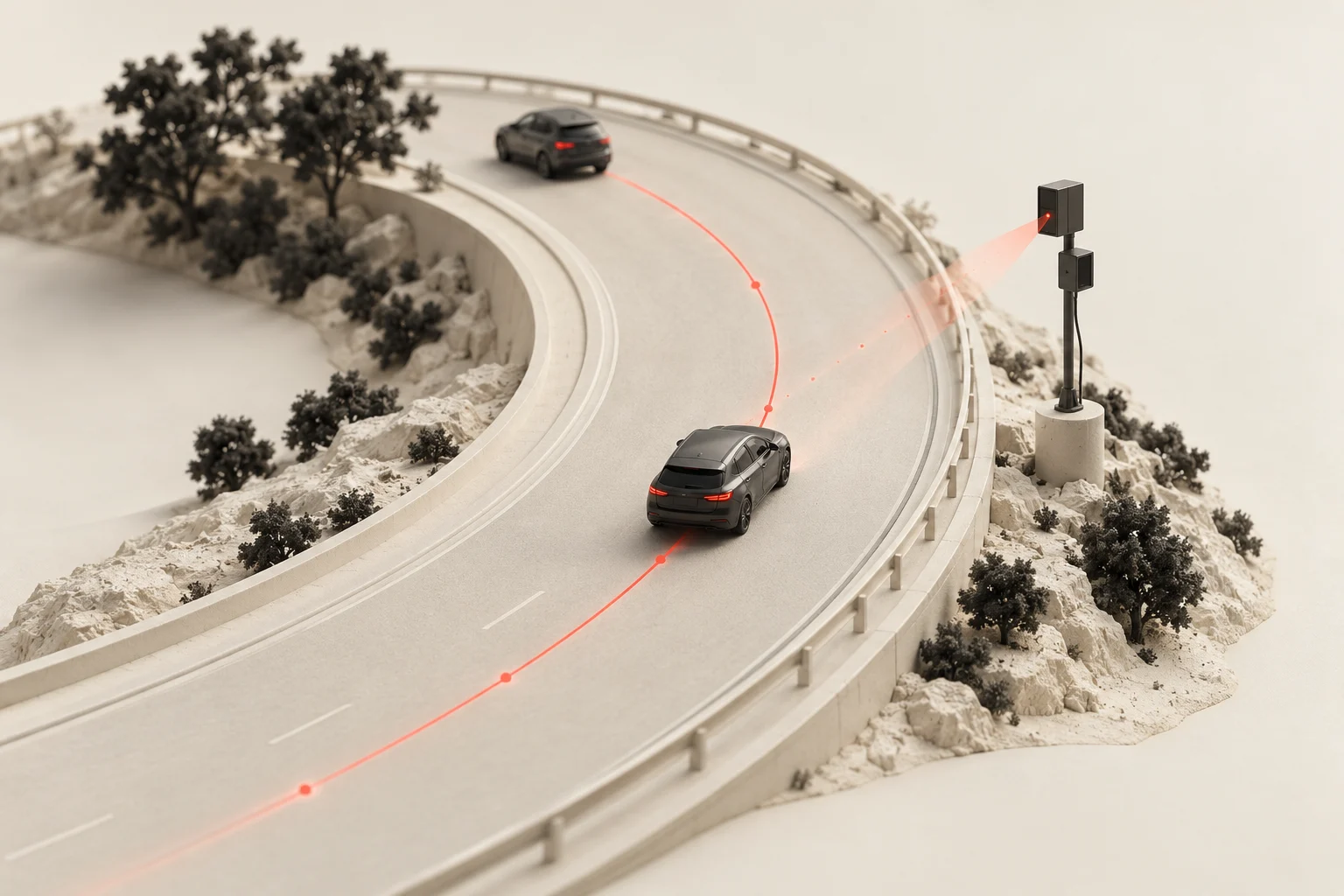
On 01-14-2026, the FTC finalized an order settling allegations that GM and OnStar collected and sold precise location and driving-behavior data without adequately informing consumers and obtaining consent. The allegations included a misleading enrollment process. This case concerns those companies and services, not every vehicle. FTC: GM and OnStar final order
What the order requires
The order includes a five-year ban on sharing geolocation and driving-behavior data with consumer reporting agencies. It also requires consent and access, deletion and opt-out mechanisms, with specified exceptions. Some precise-location controls depend on vehicle technology. FTC: GM and OnStar final order
Questions to ask before enrolling
Use the order's categories as a checklist: What data is collected? Who receives it? How can a driver obtain a copy, request deletion or disable collection? Ask the vehicle service for instructions for the specific model and account. An order against GM does not establish identical rights or controls for another manufacturer. FTC: GM and OnStar final order
Questions and answers
Does removing the phone app disable the car's collection?
The FTC order addresses collection from vehicles and connected services. Treat deleting a phone app as a separate action; confirm the vehicle service's collection controls. FTC: GM and OnStar final order
Does this describe insurance data from every car?
No. The cited settlement concerns GM and OnStar. It does not establish what a different vehicle or insurer collects. FTC: GM and OnStar final order
Sources and scope
- FTC: GM and OnStar final order. Checked 10-23-2026.